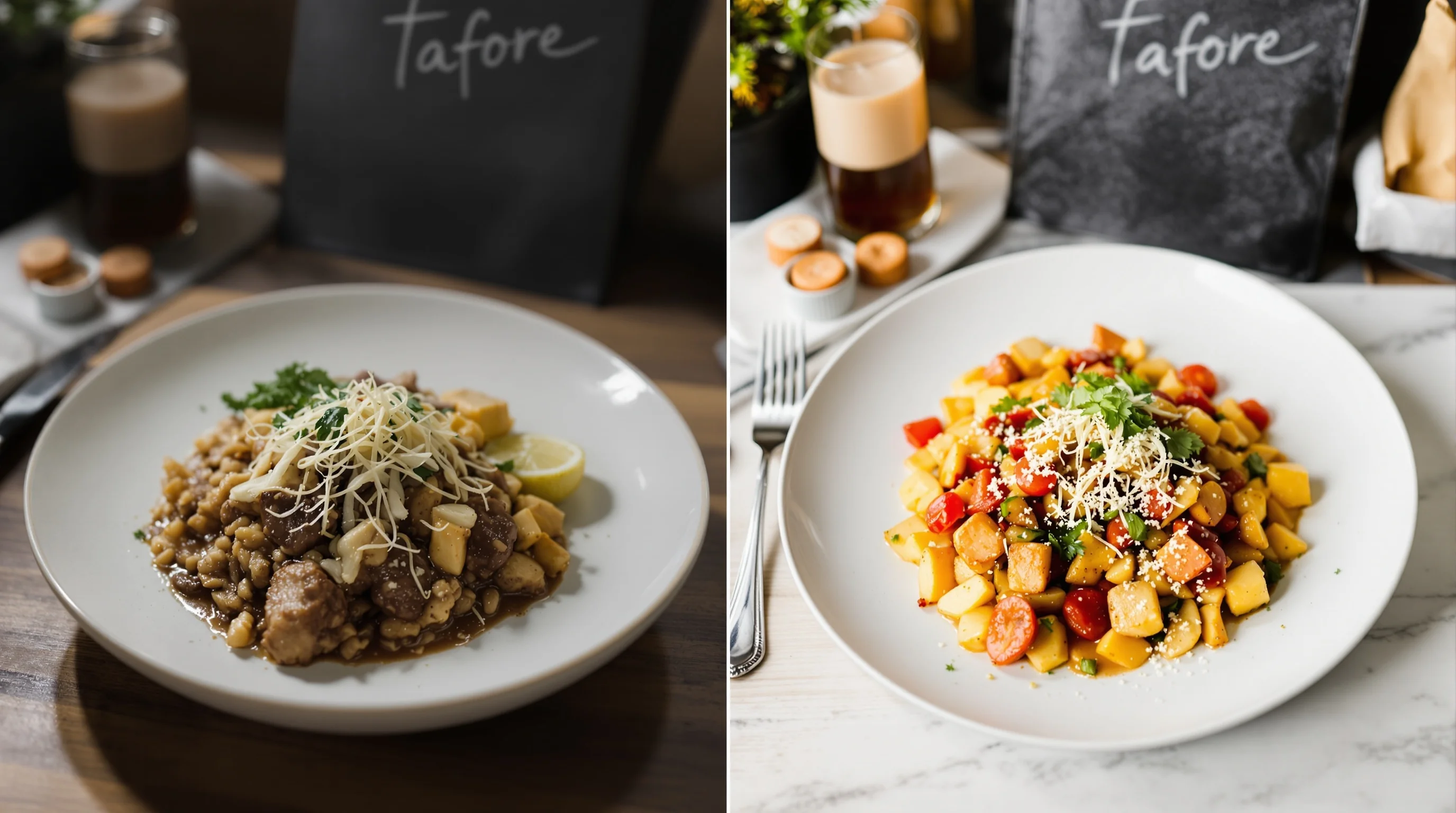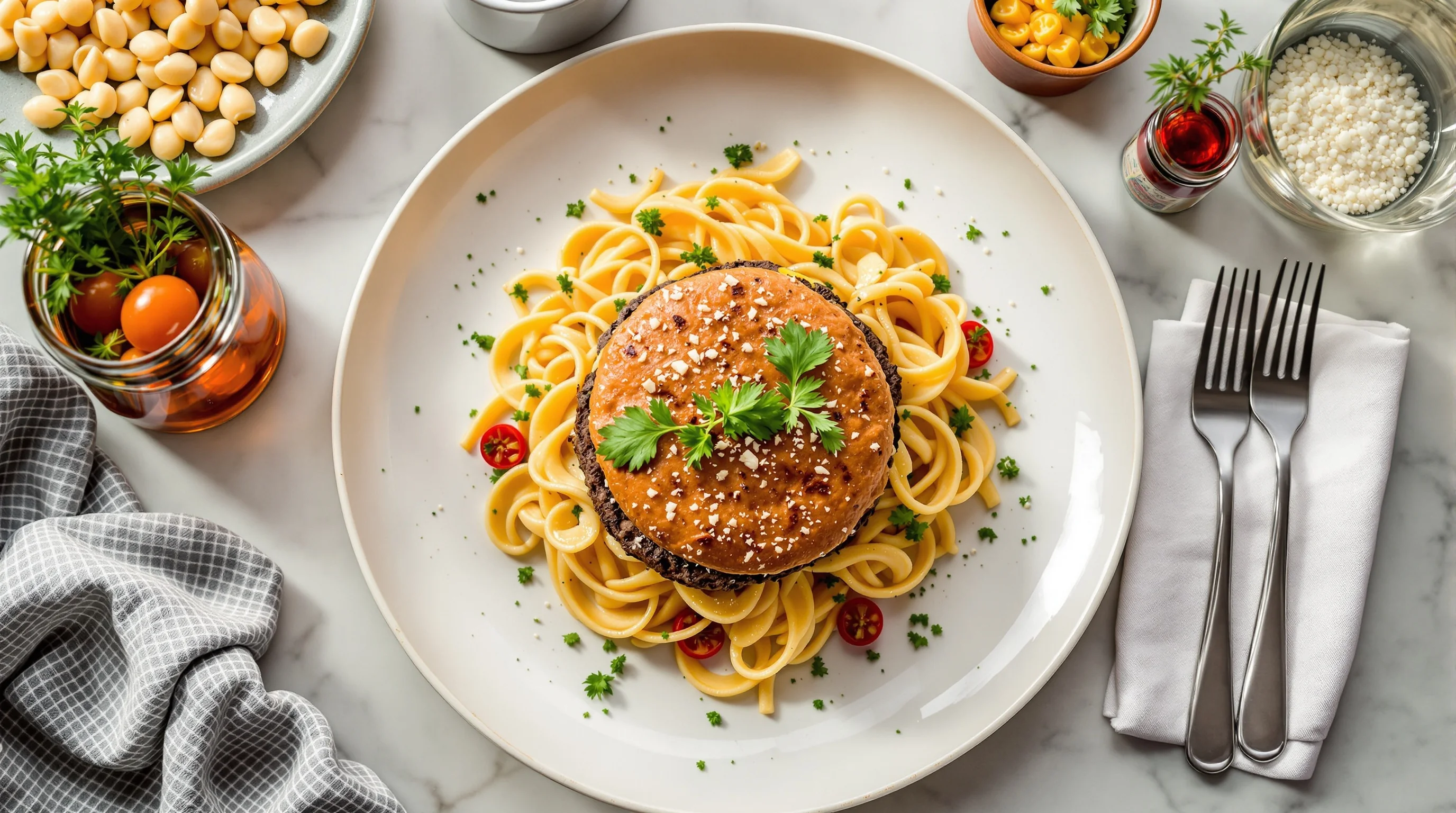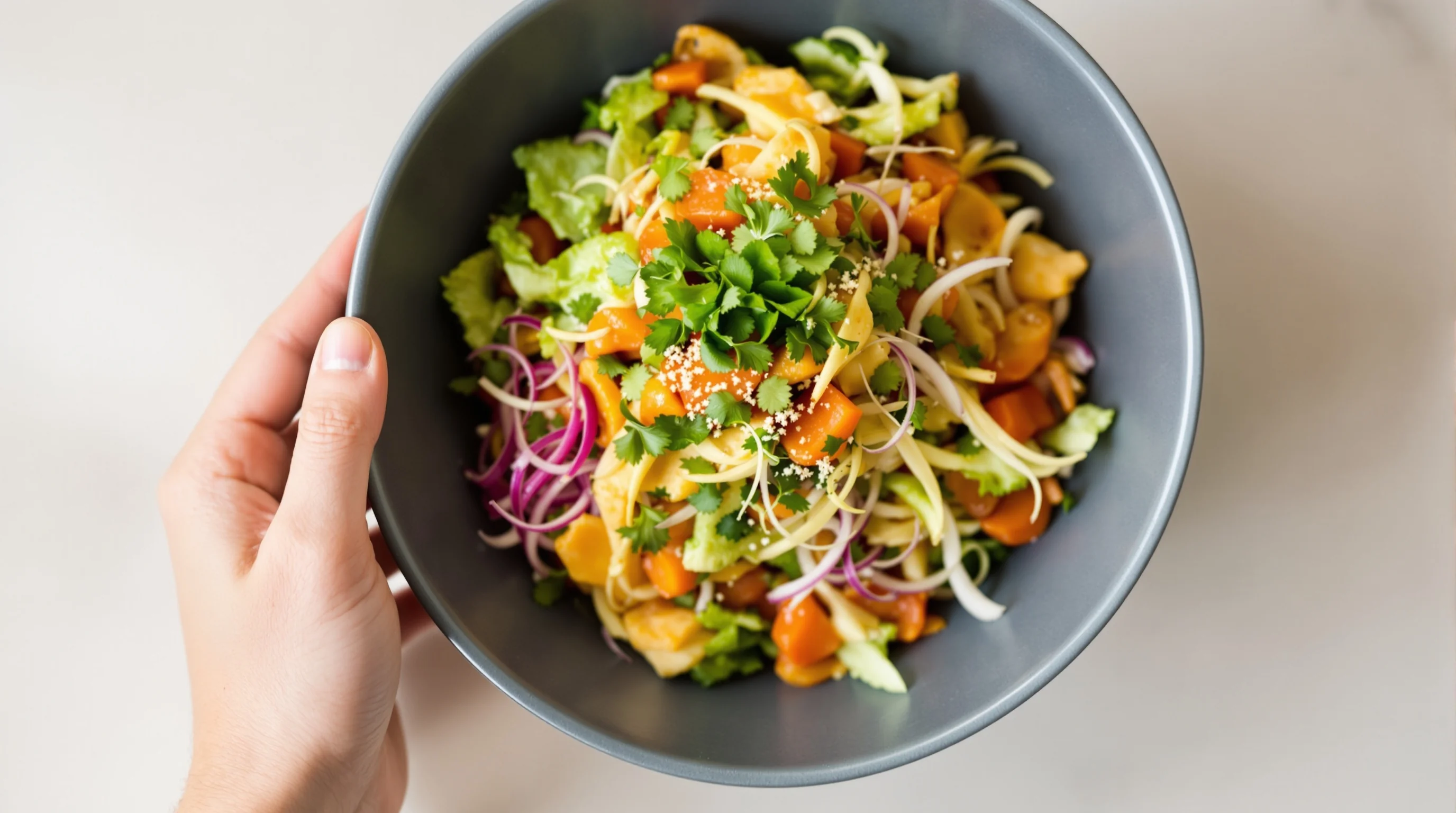

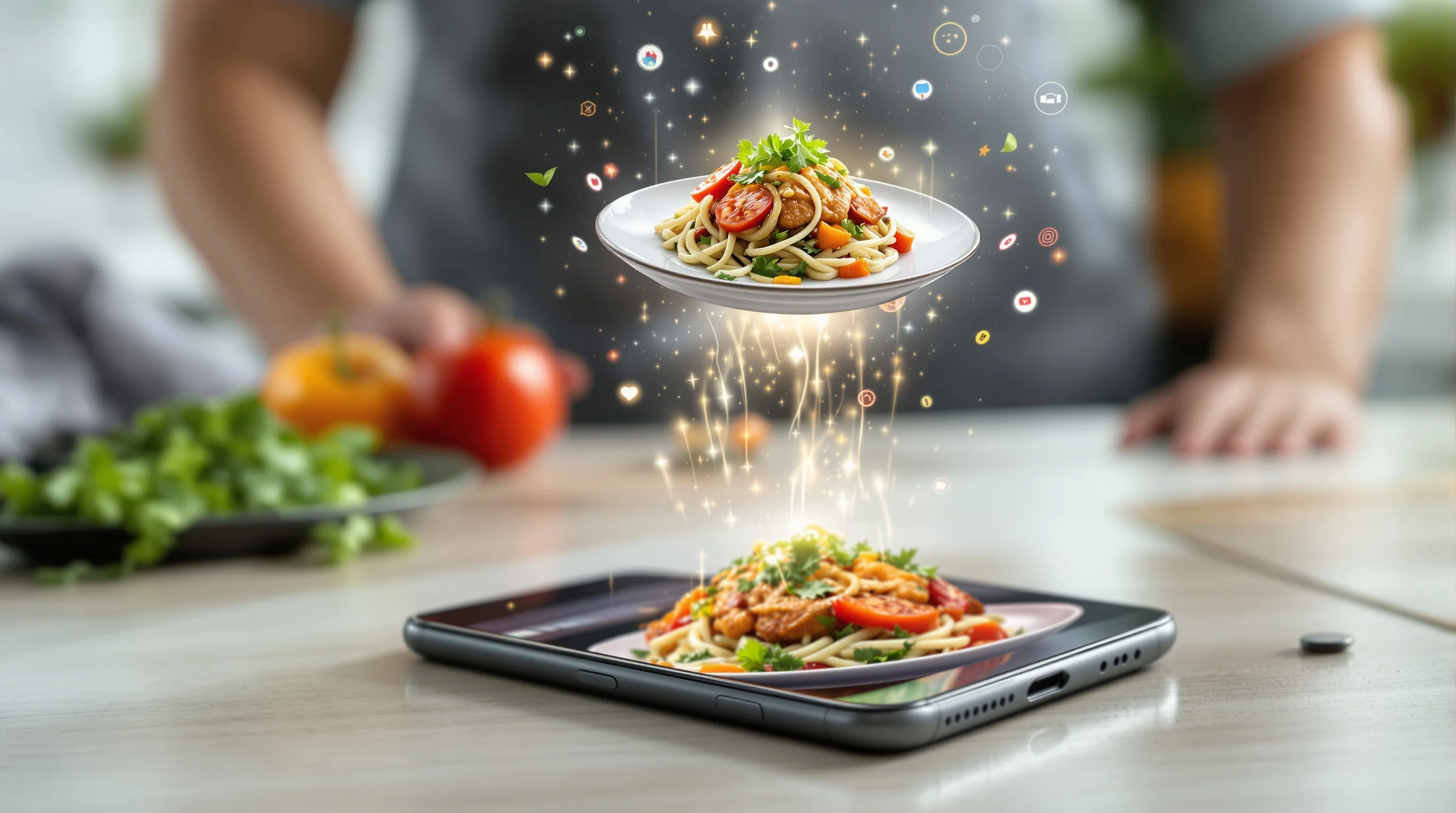
Introduction: The way restaurants and creators present food online is changing fast. An AI Food Photo Generator: The Future of Food Photography is not just a buzz phrase — it is a practical tool that turns a smartphone snapshot into a polished, platform-ready image in seconds. Generative models use text prompts and image inputs to produce stylized food photos without real cameras or elaborate shoots. According to Clean Plate, AI food photography can create images from text prompts and image inputs, eliminating the need for real ingredients during generation. At the same time, modern smartphones already apply AI features such as scene recognition and lighting optimization to enhance food shots in real time, as noted by Snappr. For restaurateurs struggling with the high cost and time of traditional shoots, an AI Food Photo Generator: The Future of Food Photography promises speed, consistency and variety — but it also brings questions about authenticity, legal risk and consumer trust.
How do AI food photo generators work?
At the core, an AI Food Photo Generator: The Future of Food Photography uses generative models trained on millions of images to map text prompts and example photos to new images. You can upload a phone photo of a dish or type descriptive prompts like “bright, airy bowl of ramen with glossy broth and steam” and the model composes textures, lighting and color to match. These systems combine text-to-image generation with image-to-image editing and style transfer. They can also simulate different camera angles, lenses and plating styles so one raw photo becomes many professional variants. Vidnoz and other tool-makers emphasize that AI generators are particularly useful for storyboarding and visualizing dishes before a shoot.
Beyond generation, many services include automated optimization for delivery apps and social platforms — cropping, aspect ratio, and color grading targeted to DoorDash, Grubhub and Instagram. This automated resizing and optimization is a practical reason restaurants adopt an AI Food Photo Generator: The Future of Food Photography to save time and produce consistent asset libraries.
- Text-to-image: create images from written prompts
- Image-to-image: enhance or restyle a phone photo
- Style transfer: apply photography styles (bright & airy, moody)
- Platform optimization: crop and color for delivery apps
Can AI-generated food photos replace traditional photography?
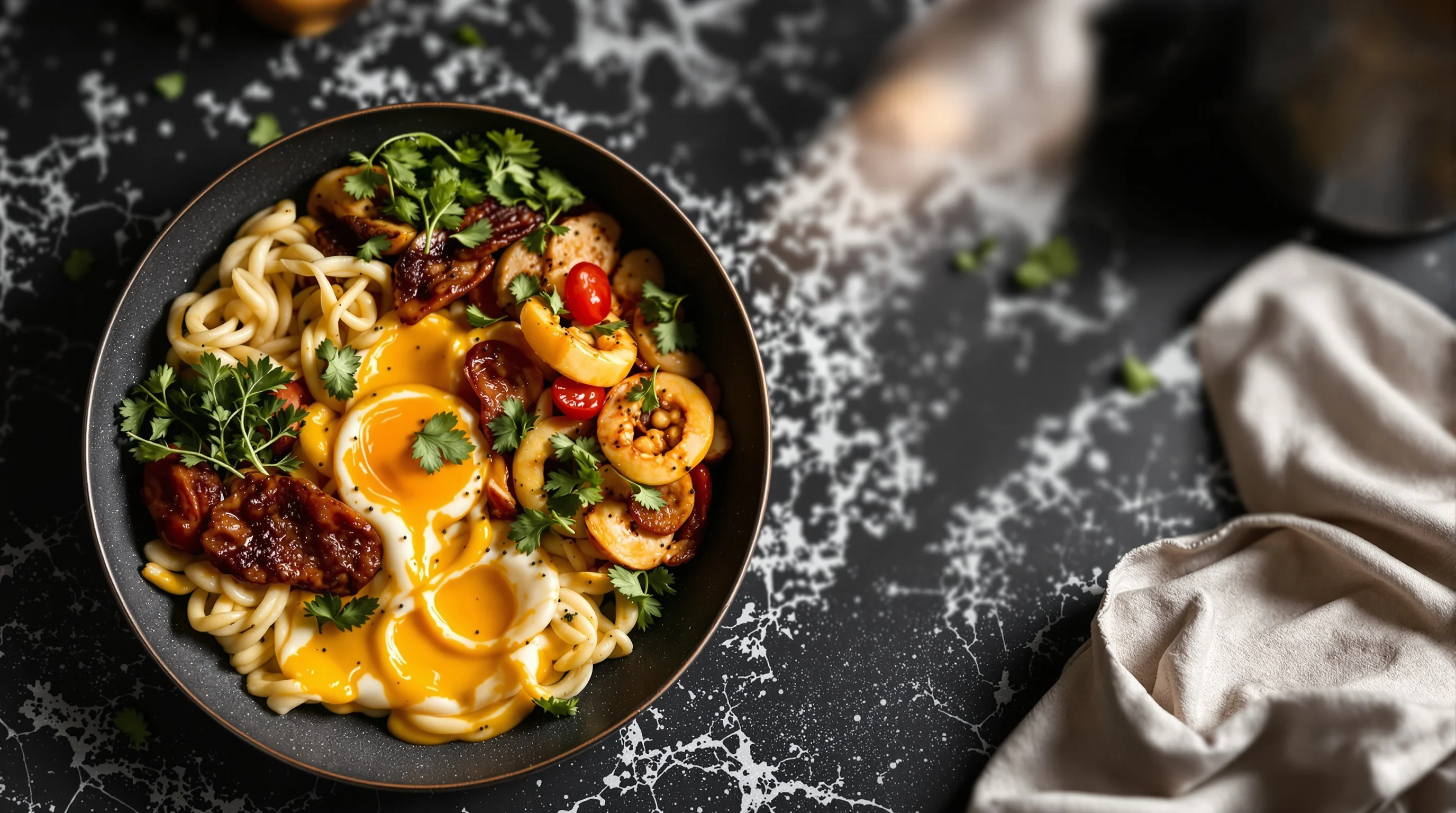
The short answer: sometimes. An AI Food Photo Generator: The Future of Food Photography can replace many routine needs — menu thumbnails, delivery images, social posts and rapid A/B tests — because it delivers high-quality visuals quickly and cheaply. For premium brand campaigns, couture cookbooks, or editorial spreads, traditional shoots with stylists and lighting remain valuable for authenticity and control. A hybrid approach often works best: use AI-generated visuals for scale and speed, and reserve in-studio shoots for signature hero images.
Industry data suggests adoption is already significant. Microstock Insights reports that in 2025 nearly 90.9% of top-selling food category images on Adobe Stock were AI-generated, a sign AI is dominating commodity imagery. At the same time, restaurateurs report measurable business benefits: research from YummyPic shows restaurants that upgraded to AI-enhanced menu photos reported an average 30% increase in orders. This demonstrates that AI can be fully sufficient — and commercially superior — for many digital use cases.
“The greatest risk of generative AI in marketing is not the loss of jobs, but the loss of consumer trust.”
Clean Plate
That quote is a reminder: replacing human processes with AI requires clear communication and ethical use. When an AI Food Photo Generator: The Future of Food Photography is used transparently and to improve clarity rather than deceive, it can be transformative without harming trust.
Are AI-generated food images realistic enough for marketing?
Realism has improved dramatically. Current models render texture, gloss, steam and depth with surprising fidelity. Many restaurants use AI to produce multiple versions of the same dish — bright and airy images for Instagram, moody close-ups for premium menus, and optimized crop for DoorDash. For many customers, the perceived quality of AI-enhanced photos is indistinguishable from studio shots when used responsibly and accurately representing the dish.
However, realism can be misleading if the generated image materially misrepresents portion size, ingredients, or plating. Ethical marketing demands images show what customers can reasonably expect. As one industry creative put it, “AI is like suddenly realising you have a team of a thousand expert assistants... But don’t presume you will immediately be able to create with AI what you have done in the past with a traditional process.” — Source: CrushMag
Practical benefits for restaurants and food businesses
An AI Food Photo Generator: The Future of Food Photography answers core pain points: cost, speed, and consistency. Hiring a professional food photographer can be expensive and time-consuming; AI reduces that barrier dramatically. YummyPic, for example, delivers restaurant-grade food images in seconds using only a phone photo, allowing small businesses to access professional-looking images without an expensive photoshoot. This addresses lost sales from poor photos and inconsistent brand images caused by user-generated content.
- Speed: get professional photos in seconds, not hours
- Cost-effective: fraction of a traditional shoot
- Variety: multiple styles for different platforms
- Convenience: no props, lighting or stylists required
- Platform-ready: optimized for DoorDash, Grubhub, and Uber Eats
For a step-by-step approach to improving delivery app images specifically, see our guides on Improve Your Uber Eats Photos Fast and Improve Your DoorDash Photos and Boost Orders.
How to use an AI food photo generator effectively (workflow)
A reliable workflow ensures quality and trust. Start with a clean phone photo or short video of the dish. Use the AI Food Photo Generator: The Future of Food Photography to enhance lighting, remove distractions, and create multiple styles. Review each generated image for truthful representation — check portion size, key ingredients, and plating. Finally, export platform-optimized variants for DoorDash, Grubhub and Instagram.
- Capture: take a simple, well-composed phone photo
- Upload: use an AI tool to generate style variants
- Review: validate realism and menu accuracy
- Export: download high-resolution, platform-ready images
- Deploy: update menus and social channels
For photography basics that improve initial captures, combine AI with practical shooting techniques. Our guide on The Easy Way to Capture Perfect Overhead Food Shots — Flat-Lays and 7 Restaurant Lighting Tricks for Better Food Photos (Practical) offer quick wins before you run images through AI.
Legal, ethical and trust considerations
Adopting an AI Food Photo Generator: The Future of Food Photography requires attention to legal and ethical issues. Copyright ownership of generated images can be ambiguous depending on the tool and licensing terms. Consumer trust can erode if images misrepresent what arrives at the table. Finally, some platforms and jurisdictions are beginning to require disclosure when images are AI-generated.
Practical steps: document the tool’s licensing terms, maintain internal standards that ensure images reflect real menu items, and be transparent in marketing materials when appropriate. As Clean Plate warns, “The greatest risk of generative AI in marketing is not the loss of jobs, but the loss of consumer trust.” Use AI to clarify, not to mislead.
💡 Pro Tip
Keep a short ‘truth checklist’ for every AI image: confirm ingredients, portion size, allergens and plating match the actual dish before publishing to delivery apps.
Which AI tools and advanced features are worth exploring?
The market now offers many specialized tools for generative food images, including dedicated food image generators, broader text-to-image platforms, and services tailored to restaurants. Look for features such as image-to-image enhancement, style libraries (bright & airy, dark & moody), batch processing, and delivery-app optimization. Some advanced capabilities to watch are AR/VR plating simulation, interactive menu previews, and automated A/B testing of photos.
When assessing vendors, consider speed, quality, licensing clarity, and integration. YummyPic stands out for restaurants: it transforms simple phone photos into restaurant-quality menu images in seconds, offers multiple photography styles, and provides download-ready images optimized for platforms like DoorDash, Grubhub and Uber Eats.
- Image-to-image editing and style transfer
- Batch processing for entire menus
- Platform-specific export presets
- AR/VR plating previews and interactive mockups
Case studies and market signals
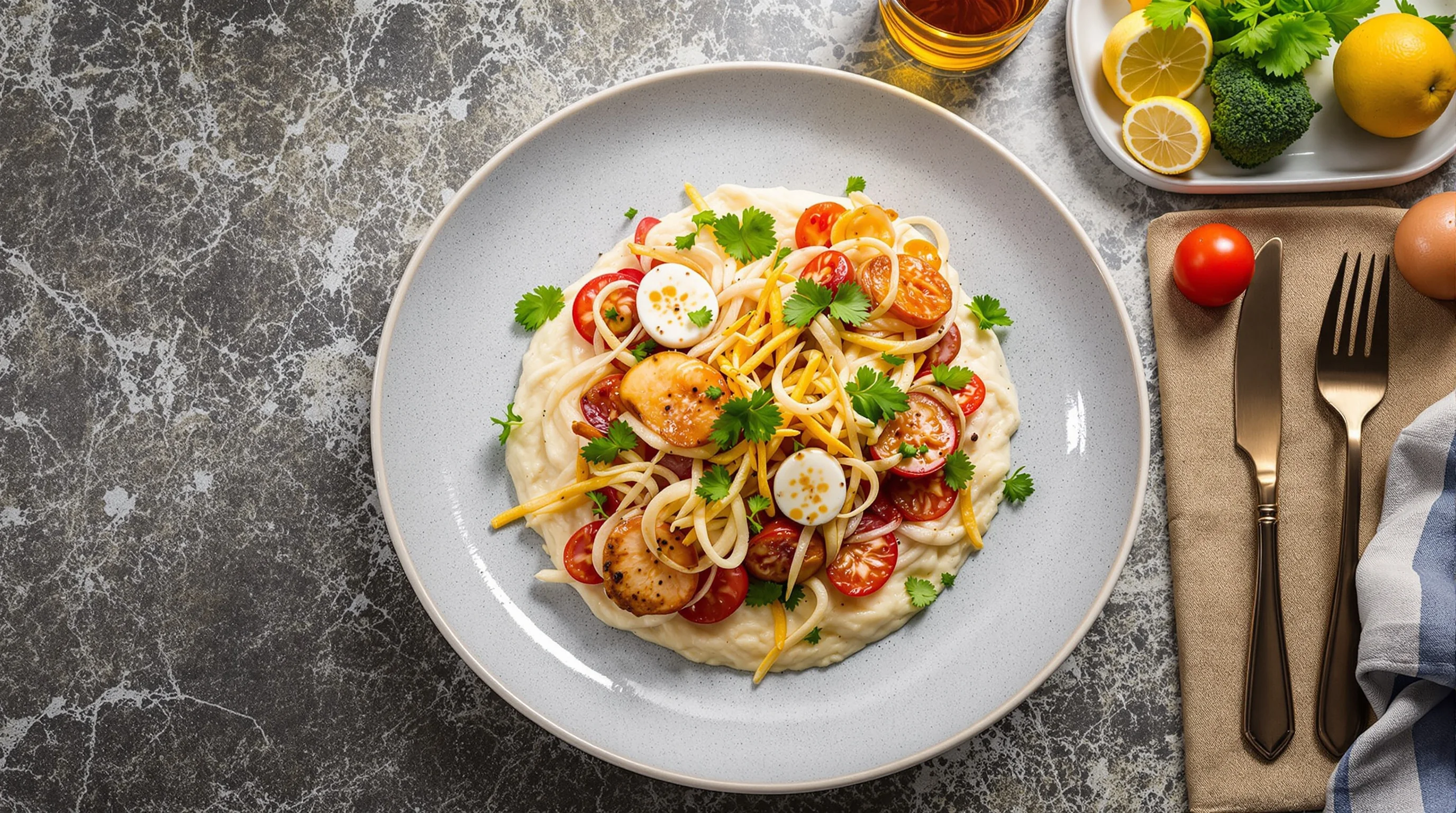
Market data shows the commercial impact of AI imagery. Microstock Insights found that in 2025, 90.9% of top-selling food category images on Adobe Stock were AI-generated — indicating rapid adoption across commercial imagery. YummyPic reports creating over 127,000 AI-generated restaurant menu photos in a single quarter, and restaurants using AI-enhanced menu photos reported an average 30% increase in orders according to research from YummyPic. These figures illustrate that high-quality, optimized images directly influence customer choice on ordering platforms.
Beyond raw numbers, expert practitioners highlight a mixed but promising reality. “It’s definitely a frustrating yet exciting process, learning how to meld your traditional skills with AI.” — Source: CrushMag. The best approach is pragmatic: use AI for scale and efficiency while retaining human oversight for authenticity and brand voice.
How restaurants should get started today
Start small: pick 10 high-traffic menu items and run a controlled test. Capture simple phone photos of each dish, generate multiple images with an AI Food Photo Generator: The Future of Food Photography, and deploy the best performers to your delivery listings and social channels. Measure order lift and engagement. If you need fast wins, YummyPic’s platform can convert phone photos into optimized menu images in seconds and is specifically designed for restaurant use.
- Select top-selling items for the pilot
- Capture clean phone photos (use our flat-lay and lighting guides)
- Generate 2–4 style variants per dish
- A/B test images on delivery platforms
- Scale based on performance
For practical capture tips, consult our guides on lighting and angles: 7 Restaurant Lighting Tricks for Better Food Photos and The Easy Way to Capture Perfect Overhead Food Shots — Flat-Lays.
Conclusion
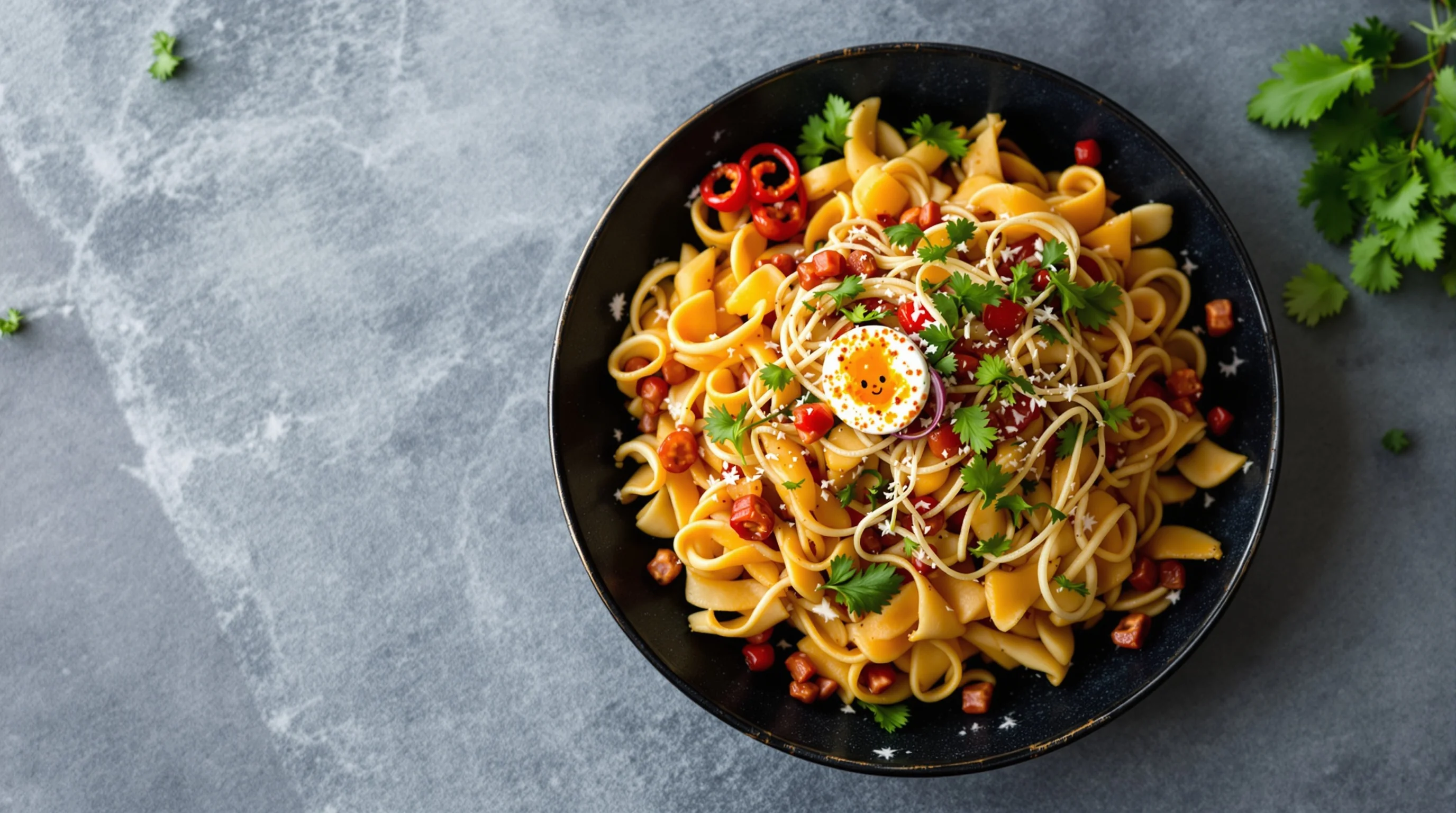
An AI Food Photo Generator: The Future of Food Photography offers restaurants and food creators a fast, cost-effective route to professional-looking images that drive engagement and orders. With clear benefits in speed, cost and consistency — and documented business lifts reported by YummyPic — AI is becoming a practical standard for menu and delivery photography. Yet the technology also requires careful handling: respect licensing, avoid misleading imagery, and keep human oversight to maintain trust. The smartest teams combine AI’s scale with human taste and quality checks to capture the best of both worlds.